
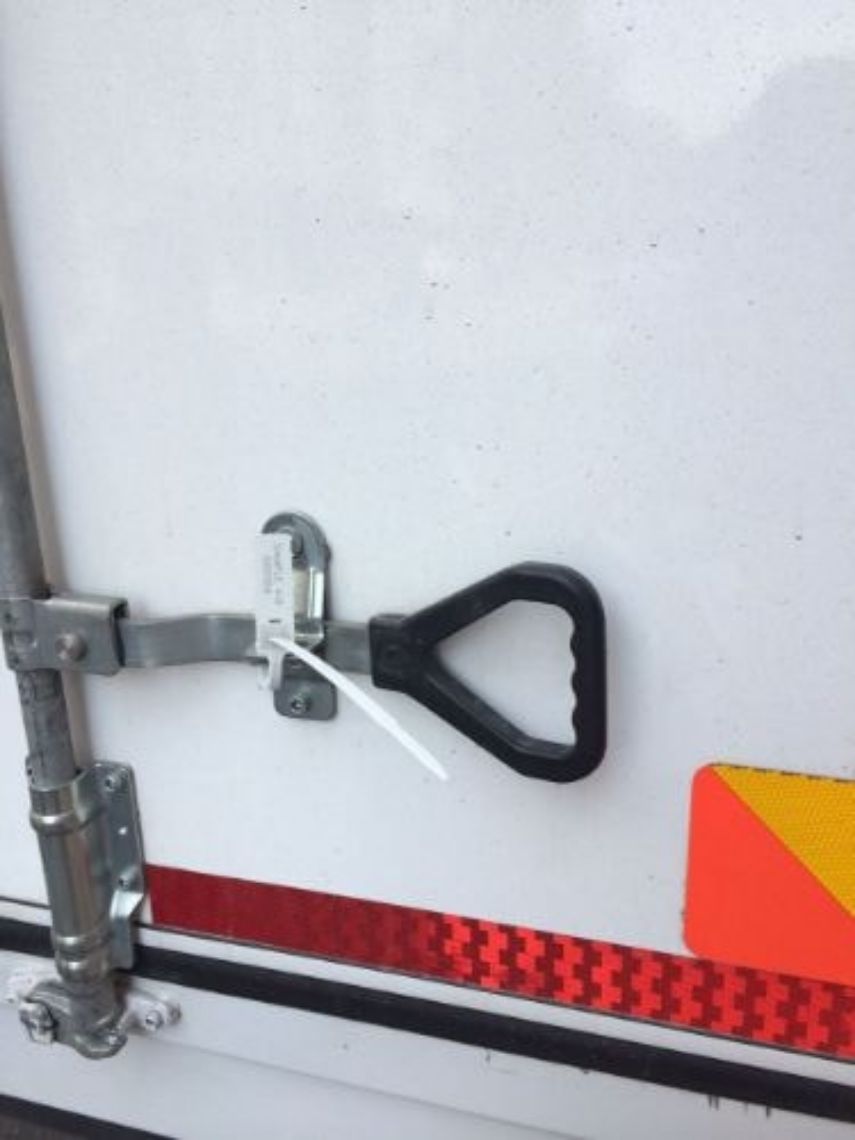
Securing your assets against theft and interference whilst in transit is more important than ever in our globally-connected world. As goods move through increasingly complex supply chains and multiple handover points, maintaining control over access to cargo is critical to reducing risk and disruption.
Security seals are an important part of the security process; helping to ensure that your goods arrive at destination as expected, without delay. By providing a visible deterrent and clear evidence of tampering, security seals support accountability and improve confidence throughout the transport journey.
Security seals come in various forms to suit particular applications, and in this article we run through the different types of seals which are suitable on various forms of road transport vehicles. By providing a visible deterrent and clear evidence of tampering, security seals support accountability and improve confidence throughout the transport journey.
Key Takeaways
Cargo security seals are essential for deterring theft and providing visible evidence of tampering during transport.
Different types of seals, such as fixed-length, pull-through, cable, and high-security seals, suit various vehicle and container locking mechanisms.
Customisation options like bespoke print, sequential numbering, bar coding, and colour coding improve traceability and operational control.
Choosing the right seal depends on security level, locking mechanism, transport mode, regulatory compliance, and inspection needs.
Why Choose Cargo Security Seals
Cargo security seals provide a simple and effective way to deter theft and identify unauthorised access during transport. Their presence clearly indicates that cargo is secured, while any attempt to interfere results in visible and irreversible evidence of tampering.
In addition to deterrence, security seals support traceability and accountability. Sequential numbering and optional barcoding allow seals to be recorded at dispatch and checked at each handover point, creating a clear audit trail and strengthening chain-of-custody procedures.
For regulated and international movements, compliant sealing is essential. High security seals tested to ISO17712 are widely accepted by customs authorities and security programmes such as C-TPAT, helping to reduce inspection delays and compliance risk.
We supply a full range of security seals, from low-strength indicative seals for basic tamper evidence through to robust barrier and high security seals for higher-risk and international cargo movements.
Transit and Small Van Security | |
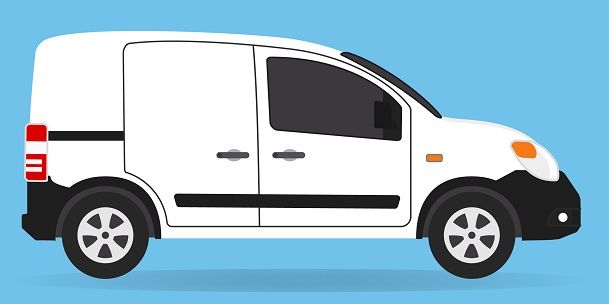 | Security LabelsSmall transit and other small courier vans do not feature locking hasps or other features which would allow for sealing by way of an indicative pull-tight or fixed length seal. Instead, non-residue security labels can be placed on the seam of vehicle doors, preventing access without removing the label and de-facing the surface, leaving a VOID message through the seal. Non-Residue labels have the advantage in that they do not leave a residue on the surface of the doors, avoiding damage to paintwork. |
Vans with Roller Door Shutters |
|
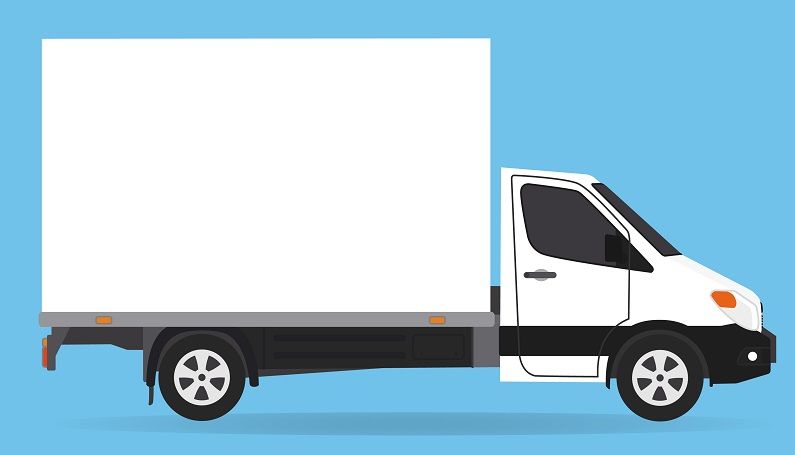 | Indicative Pull-Tite SealsVans and other vehicles with roller-shutter doors feature hasp and staple-style locking arrangement. For these types of locks, we recommend use of a pull-tite or “pull-through” tamper-evident seal, which can be secured tightly around the mechanism, preventing interference by opportunists. Pull-through seals are available in many different sizes and configurations. We hold most items in our UK warehouse; alternatively, we can customise with your bespoke marking, logo and custom numbering. |
Articulated Lorry Trailer Doors |
|
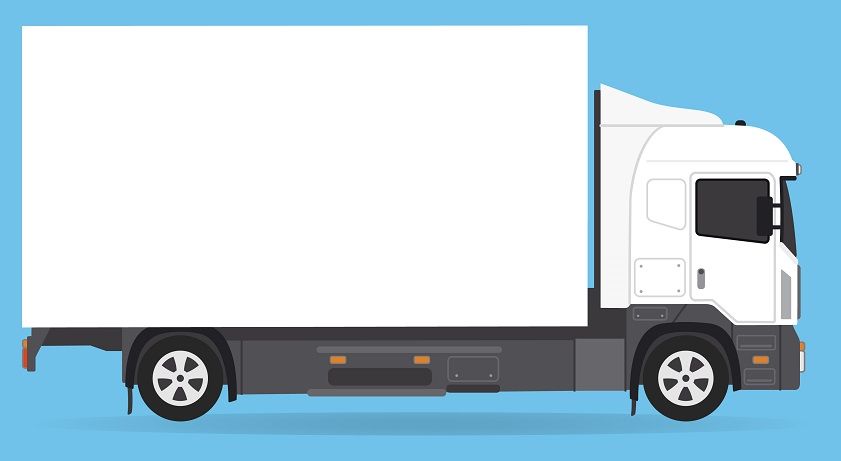 |
Fixed-Length / Ring SealsTrailer doors are available with a number of different locking mechanisms, and so the preferred security seal will depend on the mechanism in question - either pull-through or fixed-length seals are recommended. Fixed-length or "ring" seals, form a secured loop through a locking aperture. Ring seals do not “pull tight” around the locking arrangement, meaning that they can be freely rotated, checked and inspected for signs of tampering more easily. |
Curtain-Siders |
|
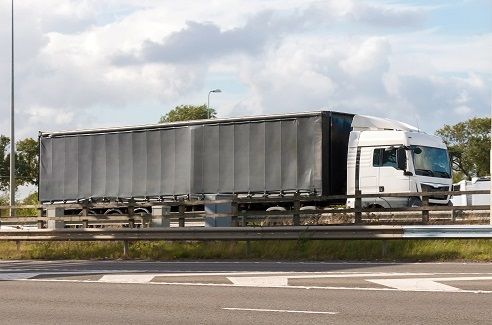 | Fixed-Length Seals and TIR CordsCurtain sided trailers are best secured using a TIR cord to pass through each of the buckles along the trailer, looping around so that TIR fasteners can be secured at the back of the vehicle using a plastic indicative fixed-length seal. This ensures that the only way to access any side of the trailer is by way of breaking the seal, providing the audit trail required. |
Containers on Trailers |
|
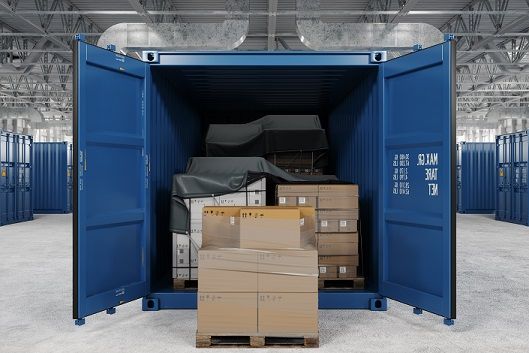 | High-Security Bolt Seals & Plastic Indicative Seals (empty loads only)Fully-loaded shipping containers which are being moved internationally require sealing by way of a security seal designated and tested as ‘high-security' according to ISO17712 and CT-PAT regulations. Our high-security bolt seal is one of the most well-established on the market and fully compliant. For empty loads, we recommend use of plastic indicative seals – providing peace of mind that empty containers have not been accessed against the knowledge of the legitimate user, reducing risk of foul play. |
Open Top Containers |
|
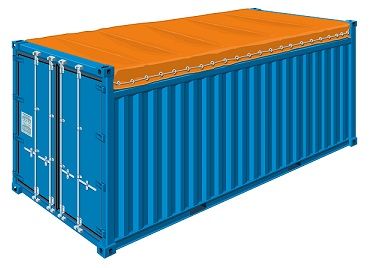 | TIR Cords & Plastic or Cable SealsOpen Top containers allow bulky items to be loaded directly from above. They usually covered and secured using a tarpaulin. TIR cords should be used to pass through the tarpaulin cover eyelets and around container corner posts or lashing rings. The TIR fasteners can then be secured with a security seal – either an indicative plastic seal, or where the goods are being shipped internationally, a high-security bolt seal or cable seal. |
Oil, Gas & Bulk Liquid Tankers |
|
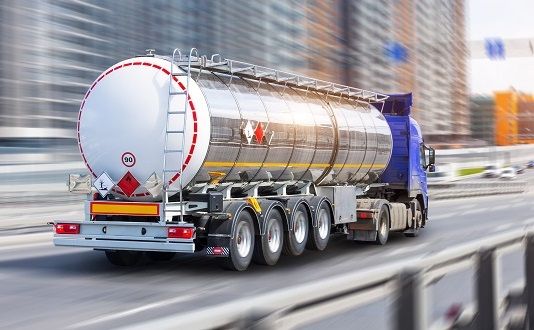 | Flexible Cable SealsThe valuable and potentially hazardous contents of tankers are at risk of interference, theft and fraud, especially whilst in transit and away from the legitimate user. This makes it crucial that sensitive and valuable access points, such as valves, meters and hatches are strongly secured against tampering. Flexible, variable length and very strong cable security seals are ideal for ensuring such access points are secured against interference. |
|
|
Customisation and Traceability
Customisation plays a critical role in improving cargo control, accountability and auditability across transport operations. We offer a bespoke print service, allowing security seals to be tailored to specific operational, regulatory and branding requirements.
Sequential numbering is one of the most effective traceability tools, enabling each seal to be uniquely identified and logged at dispatch and receipt points. This supports reconciliation processes, helps identify discrepancies quickly and strengthens chain-of-custody procedures.
Bar coding can be added to further enhance traceability, allowing seals to be scanned into digital tracking systems. This reduces manual handling errors, accelerates inspections and supports integration with warehouse management, transport management and customs systems.
Company logos and bespoke text can be printed directly onto seals to reinforce brand ownership, deter substitution and provide immediate visual confirmation that the seal is authorised.
These customisation options help improve security oversight, simplify auditing and increase efficiency throughout complex supply chains.
Choosing the Right Seal
Selecting the correct security seal is essential to achieving the appropriate balance between protection, compliance and operational practicality. Indicative and tamper-evident seals are suitable where deterrence and evidence of interference are sufficient, while barrier and high-security seals are required for high-risk cargo, international movements and regulated environments.
The type of locking mechanism and access point is equally important. Different doors, hasps, valves and closure systems will determine whether a fixed length, pull-through, cable or bolt seal is most appropriate. A seal must fit correctly to function as intended and to ensure tampering is immediately visible.
Transport mode and regulatory requirements should also be assessed. Road, rail, air and sea freight may each impose different standards, with certain movements requiring ISO17712 compliant high-security seals or alignment with customs and security programmes such as C-TPAT.
Finally, consider how frequently access is required and how seals will be inspected. High-visibility seals with clear numbering support rapid visual checks, while seals used in controlled environments may prioritise strength or resistance over ease of removal.
Our technical team can provide expert guidance to ensure the correct seal is selected for each application, reducing risk while maintaining operational efficiency.
Contact Us Today for Cargo Sealing Solutions
We support secure transport operations with our range of high quality security seals backed by industry expertise. Whether securing vans, trucks, trailers or shipping containers, the team works closely with customers to identify the most effective sealing solutions for their specific requirements.
Support is available for product selection, customisation options, regulatory compliance and large-scale supply programmes. From single vehicle operators to national and international fleets, we provide reliable solutions designed to protect cargo throughout transit.
To discuss your cargo sealing requirements, contact us today phone or email, or explore the full product range online to identify suitable security seals for your operation.
Frequently Asked Questions
What are cargo security seals used for?
Security seals are used to deter theft and provide tamper evident proof if a vehicle, trailer door, valve or shipping containers have been opened during transport. They support secure transit by making interference visible and by improving control at handover points across the supply chain.
What are the different types of high security seals?
High security seals are used where barrier-level protection is required for cargo during transport. The most common type is the high security bolt seal, typically used on shipping containers and trailer doors and tested to ISO17712 standards. High security cable seals are also used where flexibility is needed, such as on trailers or tankers with irregular locking points. Both types provide tamper evident protection and support customs and security programmes such as C-TPAT.
What standard is required for cargo seals?
For many international and high-risk movements, high security seals tested to ISO 17712 are commonly required or expected, particularly for shipping containers and customs-controlled freight. These seals may also support programmes such as C-TPAT, depending on the route and cargo type.
What is included on a trailer security seal?
Trailer seals can include sequential numbering for traceability, and may also be supplied with bespoke print such as company name or logo. Options can include bar coding to support scanning and audit trails, helping operators track truck seals across depots, drivers and delivery locations.
Are trailer seals used to deter theft and maintain cargo security?
Yes. Trailer seals are widely used to deter opportunistic theft and reduce tampering by showing clear evidence of interference. When used correctly, truck seals help maintain cargo security during transport and provide confidence that doors and access points remained closed throughout transit.