Email us
Call us
01829 760000
With the range and breadth of security seals on the market, it can be very challenging for the uninitiated to know which seal to choose to best suit their needs. From the outset, it is recommended that the decision-maker considers the purpose of the security seal in relation to the application. Considering some of the fundamentals from the outset will help to select the right seal for the job…
…why is the user sealing the enclosure in the first place? Is it for loss prevention, safety purposes, product integrity, brand assurance...?
…what type of goods will be protected? What is the value of the goods?
…where is the seal going, and how? Cross-border shipments are subject to customs regulations which will affect the seals that can be used
…what kind of resistance is required? What are the consequences should if the security seal has been broken or tampered with?
…what environment is the seal being used in? What is the operating temperature? How long does the seal need to last for?
Answers to these questions will have a bearing on the material, form, shape, strength of the most appropriate security seal.
It should also be noted that a security seal alone cannot provide an iron-clad guarantee of integrity. No manufacturer anywhere in the world can say with complete certainty that – given enough time, appropriate circumstances, resources, skills and ingenuity – their security seals are undefeatable... but this is also true of safes, door looks, padlocks and alarms. Security seals should always be used as one layer within an ‘onion skin’ of security (view our guide to security protocols).
With this said, below we note some key characteristics of seals you should consider when choosing the most suitable. Try out our handy filtering tools shown on our main security seals category to find a product matching your needs.
| Seal Feature | Considerations |
|---|---|
| Design Type | Seals come in many forms... Pull-through Security Seals, Fixed-Length Security Seals, Security Padlock Seals, Barrier Seals (Cable Seals and Bolt Seals), Wire/Rope Meter Seals, and even Reuseable Electronic Seals. Security seals also include security tapes and labels, suitable for flat surfaces and edges on enclosures such as crates, cartons and pallets. Each type is designed for particular types of applications - for more information, see types of security seals. |
| Physical Fit (Diameter, Length and Flag Size) | Each security seal will have a particular tail or hasp diameter, an effective useable length, and a standard flag size for visibility of printed identification markings. Narrower seals are useful where seals must fit into smaller apertures, and for this many of our pull-through seals have smaller diameters, such as the MiniLock 570's 1.4mm tail thickness and UniTite 414's 2mm thickness. We also offer extra long seals, such as the UniStrap 412-XL (overall 51cm length) and UniTite 413 (overall 49cm length). In terms of flag size ("marking area"), we offer specialised security seals such as our UniFlag Security seal, which has a large format (108x56mm size). |
| Material | Common materials in use for security seals are polypropylene, nylon, aluminium and steel. Polypropylene is a popular choice for pull-through seals, as it offers a combination of strength, flexibility and wide operating temperatures. However, all types of plastic do become brittle at increasingly low temperatures, and do degrade when exposed to UV light, long-term saltwater exposure, solvents etc. Metal aluminium and galvanised steel cable seals provide more durability and strength where circumstances dictate, and we can also specify stainless steel cable grades for most demanding applications: see our Flexigrip 150M and Flexigrip 325M models. |
| Strength | Seals are specified for particular strengths – for certain applications such as fire extinguishers, kit bags and first aid trolleys it is desirable to have a very low break-strength so that seals can be broken in an emergency – for others, for example mail sack security seals, it is important that seals with strong break strengths are used so that bags do not burst open when under tension. There is a wide range of tensile strengths available, from 5KgF all the way up to 2000KgF, so understanding the possible forces relevant for your application is important for specifying the right kind of seal. |
| Level of Tamper-Evidence | We categorise our security seals as having either a Low, Medium or High degree of tamper-evidence, based on design and construction features, method and material of construction, and level of certification. |
| ISO Classification | Linked to the above, higher levels of security seals are often required for international freight movements - in particular, High Security Seals as classified under ISO17712:2013 regulations for international shipping container and freight movements. |
| Removal Method | Some applications require easy-access into a sealed enclosure, and for this we have security seals that can be removed easily by hand, either with low-break strengths (see our Fireseals) or tear-line features (see our Tracewaste Tear-Off and UniStrap 412LT). For other requirements, security seals need to be robust and should not be removed intentionally without simple tools such as scissors or tin-snips, such as our UniTite 413. In other scenarios, particular for barrier seals, we have our heavy-duty cable and bolt seals, products such as our Flexigrip 325M, Flexigrip 500M and Fork seals which necessitate the use of heavy-duty cutting tools like bolt croppers to remove. |
| Sustainability | Sustainability should of course be at the heart of every business, and security seals should be no exception. All of our plastic security seals are 100% recyclable, and we are increasing options for recycled content and biodegradable security seals on a regular basis. |
Universeal UK has been supplying security seals since 1992, and we are one of the leading organisations in the industry. Please email [email protected] for more information on our range and how we can assist. For advice on using security seals within a wider security program, please continue reading our next article in the series, Security Protocols: Making Security Seals work for You.
This article is the second of four, looking at how security seals can fit within your wider security protocols. View Series below...
Universeal UK is a major manufacturer and distributor of tamper-evident security seals based here in UK; however, we have many other strings to our bow!
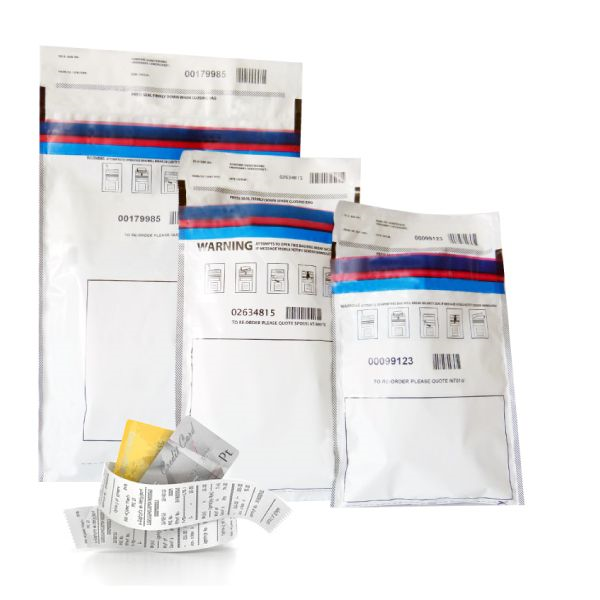
We are now a major provider of security and asset labels, identification ties, specialised ferrules and sealing wire for meters, as well as single-trip and reusable security cash and mailing bags.
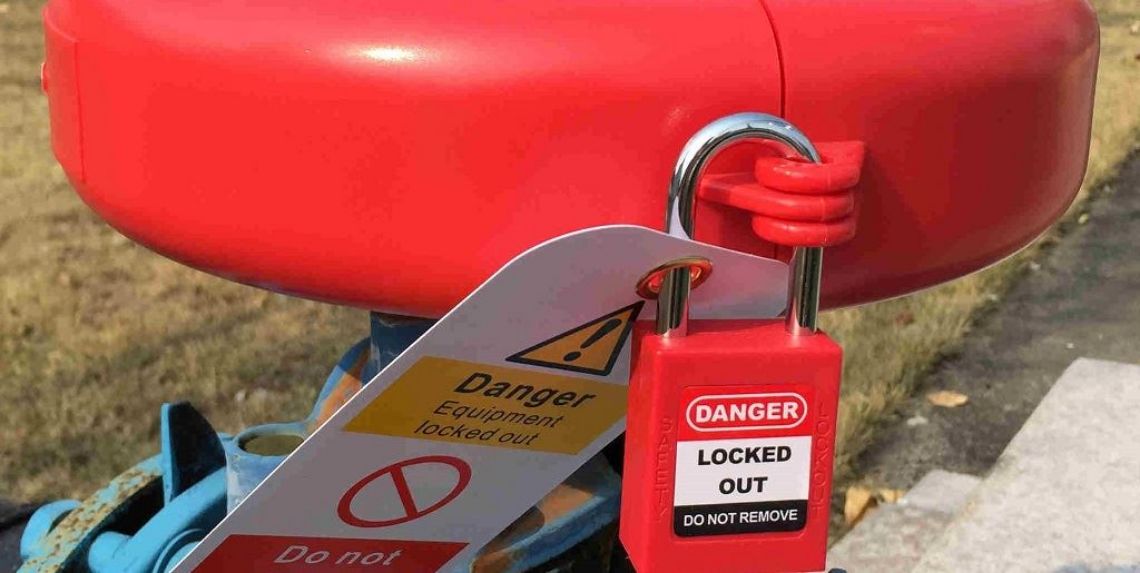
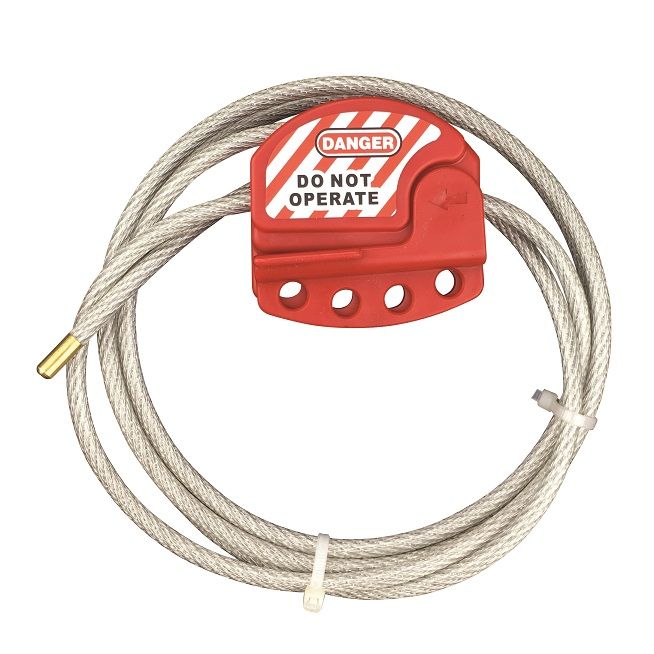
Further than that, over the past few years we have also worked closely with many customers on developing or sourcing safety lockout, storage and tag solutions for many other types of use. This includes products for the safe lockout of industrial equipment; inspection tags for incorporation within periodic inspection regimes; tote boxes for archival and retail storage; as well as ties and tags for food-contact applications.
Please take a look below at examples of other product ranges we can help you with:-
![]() | Safety Lockout Products |
Inspection Tags | |
Security Labels | |
![]() | Security Pouches and Mailing Bags |
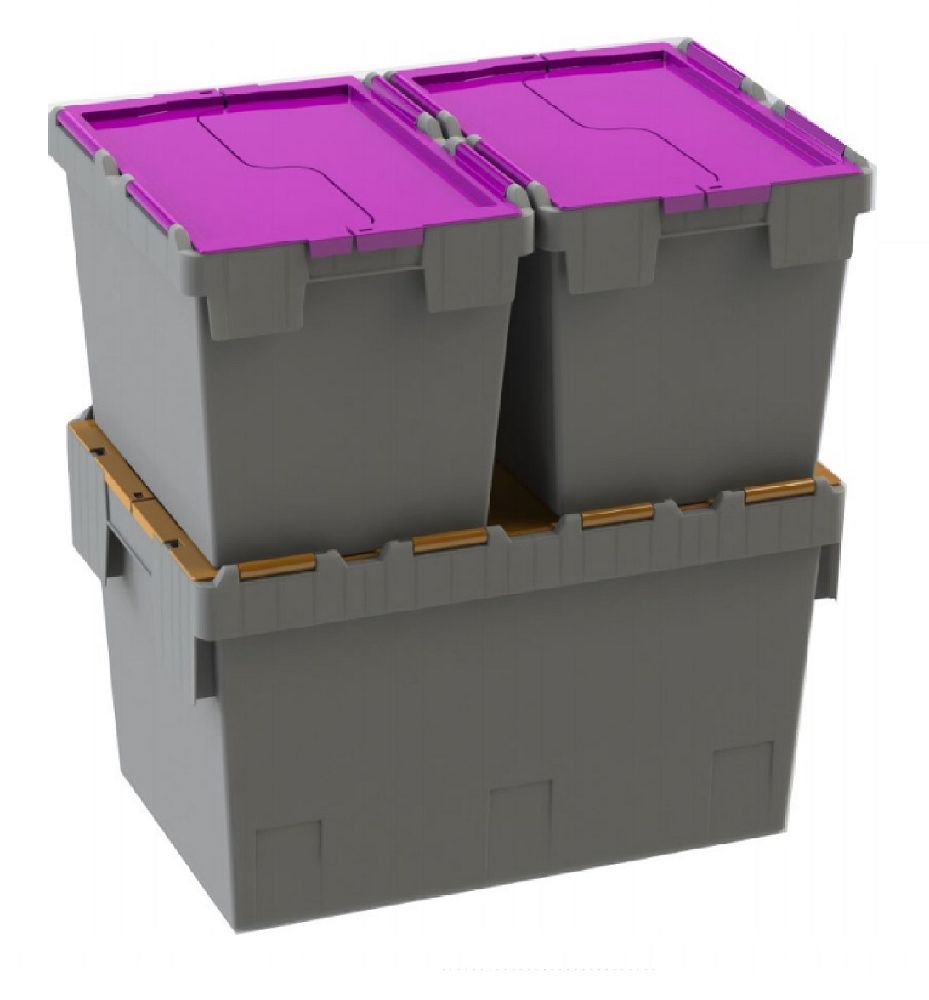
![]() | ALC Storage Tote Boxes & Tote Security Seals |
![]() | Food-Contact Ties and Tags |
All of our products can be customised with bespoke printed information to suit your particular application and requirements.
Please get in touch on [email protected] or 01829 760000 to see how Universeal UK can help.

The Department for Transport, as part of a European wide regulations to standardise and improve aviation security, oversees the ‘known consignor’ scheme for consignments, whereby authorised and audited operators may apply their own in-house measures for the secure preparation of cargo destined for despatch by airfreight. This allows expedited cargo movements for those who follow best practice in the industry. Such cargo is classified as ‘known cargo’ or ‘SPX cargo’.
An application to the DfT for approval as a Known Consignor will be followed by a visit from a DfT accredited validator. If the shipper’s safety and audit controls meet the requirement they will be issued a unique identifier. Further information is available from the specialist aviation regulator, the Civil Aviation Authority (please visit: www.caa.co.uk).
Security seals are an important part of this process, both for the shipper who processes and packs goods for cargo movements, and for logistic operators who handle consignments between locations. Indicative seals, such as cable security seals and non-residue security labels, are uniquely numbered and provide suitable tamper-evident security to protect against unauthorised interference.
As an example of how such security seals can assist in practice, consider the role of a courier company transporting safety-critical aircraft parts between suppliers and secure airport facilities. If the goods are sent from a known consignor, who is accredited under national regulations, then consignments can be loaded within vans at the supplier facility, and a security label placed over the side and rear doors to verify the authorised loading. This allows the consignment to proceed directly for embarkation at airport. On the other hand, if they are not a known consignor then the load will have to proceed to a cargo handler, to be x-rayed and security validated. The consignment can be then sealed in the van in the same way, and proceed to the airport.
Security seals will be checked at the airline to make sure they have not been broken or tampered with. Our indicative plastic seals for trailers, cable security seals for air cargo containers, and security labels for vans can assist in the smooth operation of known cargo / SPX cargo operations. All of security seal products are available on short lead times and with bespoke customisation for your needs (for example, customer logos, barcoding/numbering, and other security features).
Please contact us on 01829 760000 or email [email protected] to discuss your requirements today.
Sending parcels and documents, at home and abroad, is always fraught with risks; once it leaves your sight, who knows really who might attempt to access, steal or otherwise interfere with the consignment you are sending?
Couriered parcels are usually handled by many parties, including multiple handlers at local and regional courier depots; third-party drivers; customs inspectors, airport handlers and more. Each step in the process involves the potential for access, tampering or theft. Such access need not necessarily be illegitimate – for example, customs authorities, as part of the controlled flow of goods, are required on occasion to visually inspect the contents of a consignment to check that they conform to the description noted in export paperwork.
The problem is knowing whether or not your consignment has been handled or damaged – and whether inspections of valuable, fragile or sensitive items need to be carried out to ensure that they have not been compromised.
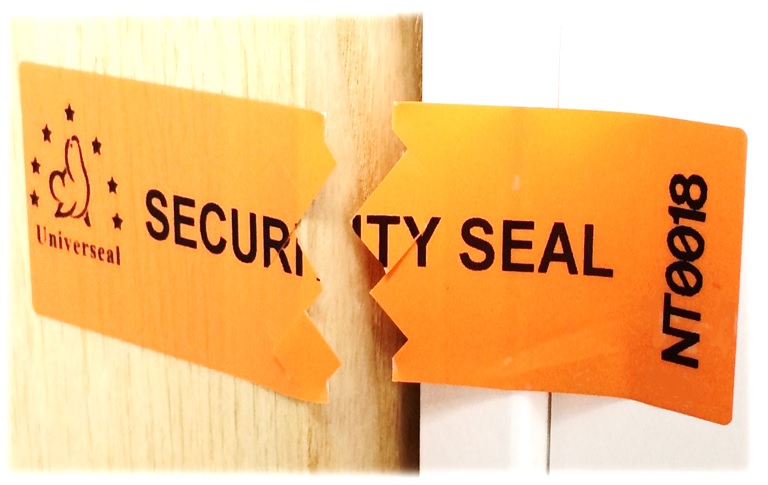
Without actually being there, how can you do this? One way is to secure your consignment is with tamper-evident security labels or security tape. There are many types of security label or security tape, suited to the particular requirements of the item to be sealed:-
![]() |
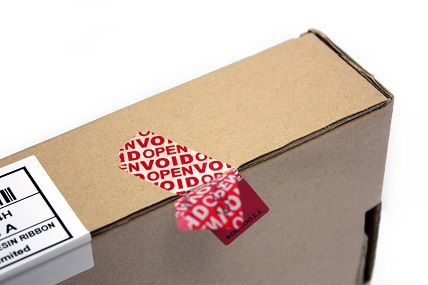
| Residue security labels; designed so that when peeled back they leave a mark or residue on the application surface to which they were applied. |
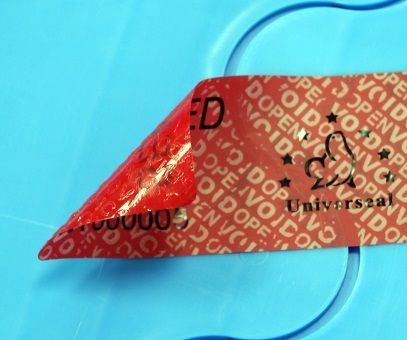
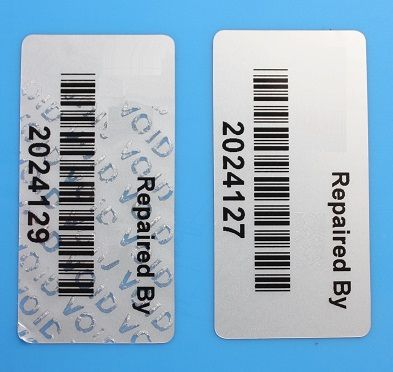
![]() | Non-residue security labels; designed so that when removed they visually deform on the labels surface, leaving the application surface clear. | |
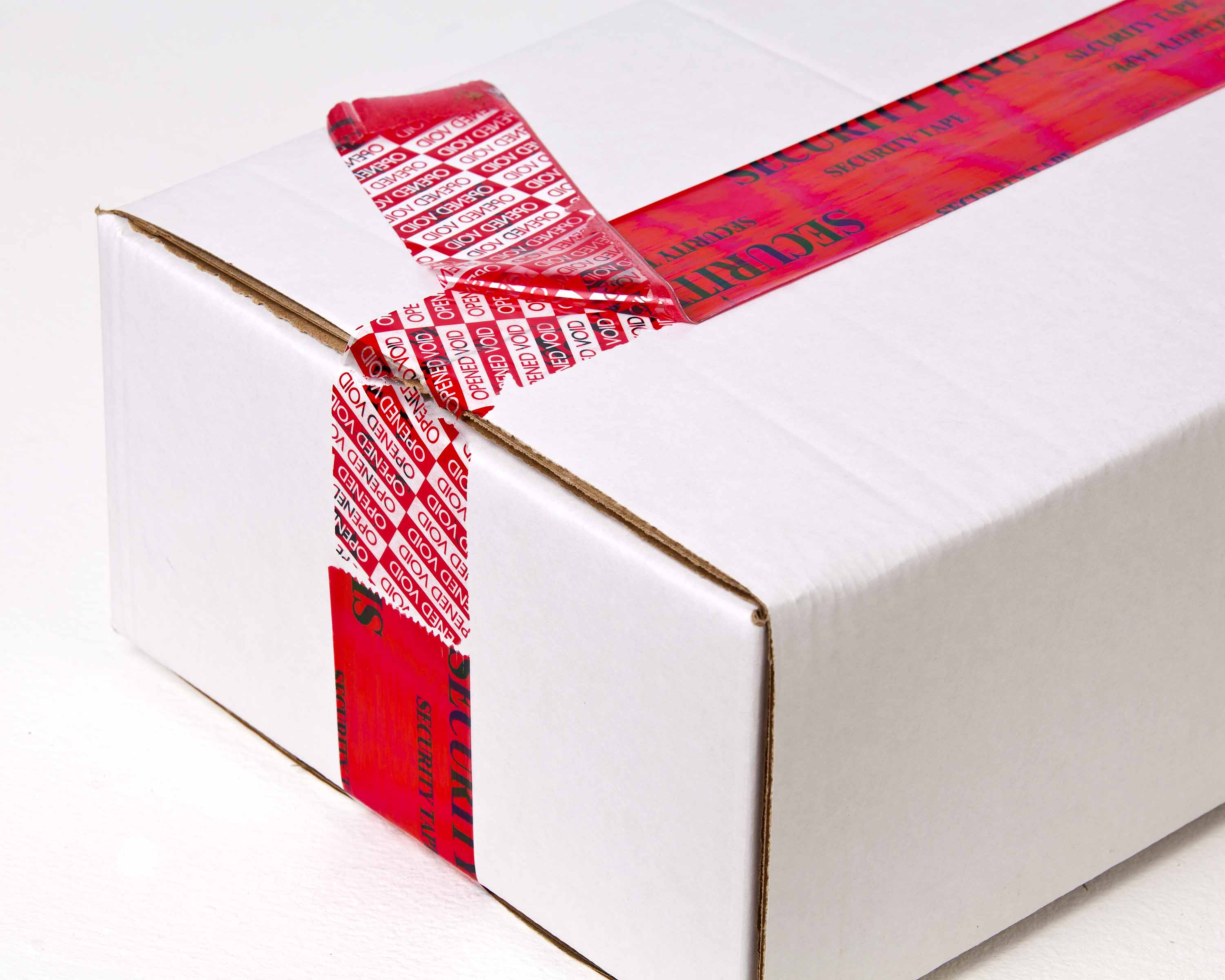
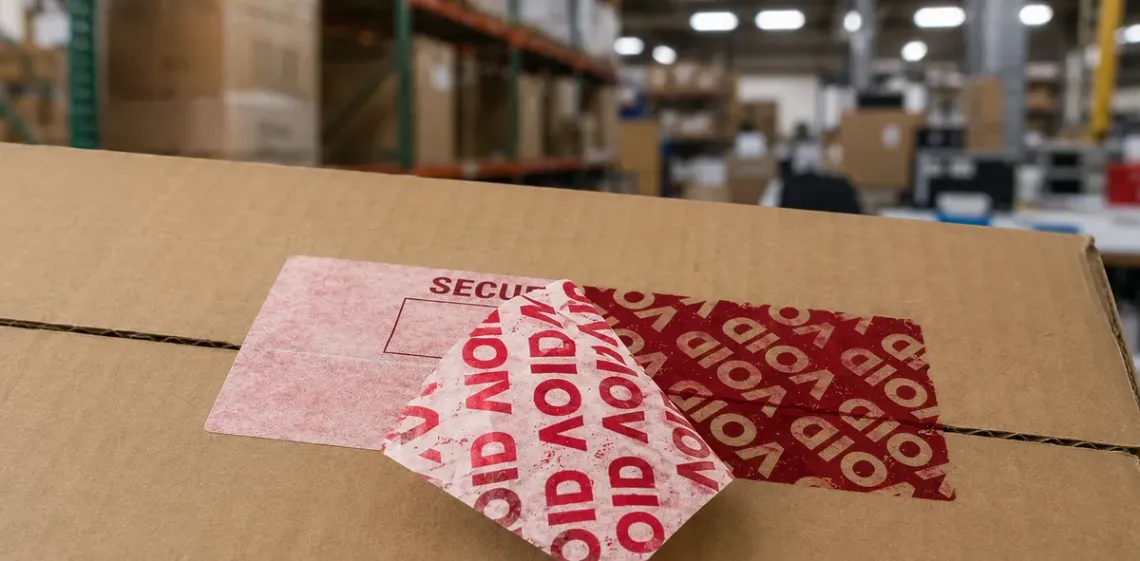
![]() | Residue Security Tape; suitable for sealing cardboard boxes and other containers – it can be used in conjunction with a normal packaging tape dispenser. The tape is marked and leaves a VOID on the sealed packaging upon removal. | |

![]() | Plain Security Tape; a plain tape which looks visually very similar to traditional brown packaging tape, so as to avoid any unnecessary attention from opportunists. However, once the tape is removed a VOID residue is left upon the box. | |
Such products can be applied to seal and secure any flat surface, such as inner packaging, cartons, mail bags and envelopes, to deter and minimise the risks of opening. Once applied, such labels or tape act as a quick visual reference for the user as to whether or not sealed items have been accessed: once opened, the product physically and permanently changes state with a VOID message appearing on the surface of the product.
This gives control back to the company or individual sending the parcel: for example, using tamper-evident labels will ensure that customs handlers record checks made on consignments, giving you more information on which items have been opened and handled during transit.
Take a cardboard box for example, lacking any sort of locking hasp to accommodate a plastic security seal, security labels can be placed across a carton’s point of access. This ensures that a handler, for example a custom official, is required to peel back or cut the label.
The incorporation of sequential numbering onto security labels also means that they cannot simply be easily replaced to conceal the opening; when the consignment reaches its destination, it is clear if it has been searched because recorded numbers will not match.
—————————————————————————————————————————————————————————————
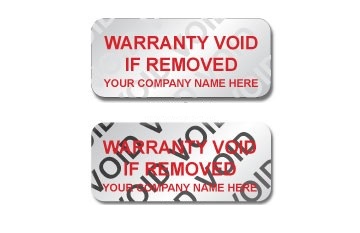
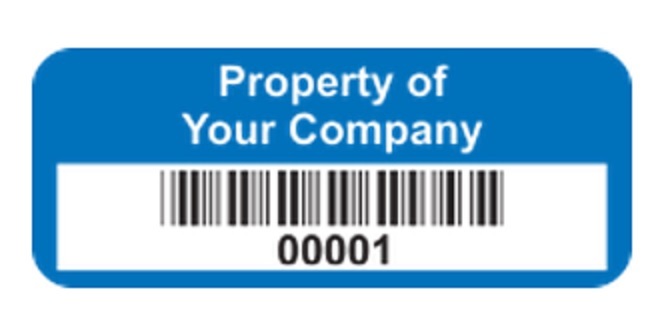
Of course, security labels aren’t just limited to this sort of application, they can be used in many different ways such as asset identification and to display warranty and servicing information. Some security labels also employ other methods of tamper evidence like the destructible label, which fragments upon removal – meaning that it is impossible to remove and re-instate.
![]() | ![]() | ![]() | ![]() |
| Asset Labels | Warranty labels | Vinyl Destructible Labels |
For further information please visit our Security Tapes & Labels area of our website or alternatively you can call us to discuss your requirements.
Securing your assets against theft and interference whilst in transit is more important than ever in our globally-connected world. As goods move through increasingly complex supply chains and multiple handover points, maintaining control over access to cargo is critical to reducing risk and disruption.
Security seals are an important part of the security process; helping to ensure that your goods arrive at destination as expected, without delay. By providing a visible deterrent and clear evidence of tampering, security seals support accountability and improve confidence throughout the transport journey.
Security seals come in various forms to suit particular applications, and in this article we run through the different types of seals which are suitable on various forms of road transport vehicles. By providing a visible deterrent and clear evidence of tampering, security seals support accountability and improve confidence throughout the transport journey.
Cargo security seals are essential for deterring theft and providing visible evidence of tampering during transport.
Different types of seals, such as fixed-length, pull-through, cable, and high-security seals, suit various vehicle and container locking mechanisms.
Customisation options like bespoke print, sequential numbering, bar coding, and colour coding improve traceability and operational control.
Choosing the right seal depends on security level, locking mechanism, transport mode, regulatory compliance, and inspection needs.
Cargo security seals provide a simple and effective way to deter theft and identify unauthorised access during transport. Their presence clearly indicates that cargo is secured, while any attempt to interfere results in visible and irreversible evidence of tampering.
In addition to deterrence, security seals support traceability and accountability. Sequential numbering and optional barcoding allow seals to be recorded at dispatch and checked at each handover point, creating a clear audit trail and strengthening chain-of-custody procedures.
For regulated and international movements, compliant sealing is essential. High security seals tested to ISO17712 are widely accepted by customs authorities and security programmes such as C-TPAT, helping to reduce inspection delays and compliance risk.
We supply a full range of security seals, from low-strength indicative seals for basic tamper evidence through to robust barrier and high security seals for higher-risk and international cargo movements.
Transit and Small Van Security | |
![]() | Security LabelsSmall transit and other small courier vans do not feature locking hasps or other features which would allow for sealing by way of an indicative pull-tight or fixed length seal. Instead, non-residue security labels can be placed on the seam of vehicle doors, preventing access without removing the label and de-facing the surface, leaving a VOID message through the seal. Non-Residue labels have the advantage in that they do not leave a residue on the surface of the doors, avoiding damage to paintwork. |
Vans with Roller Door Shutters |
|
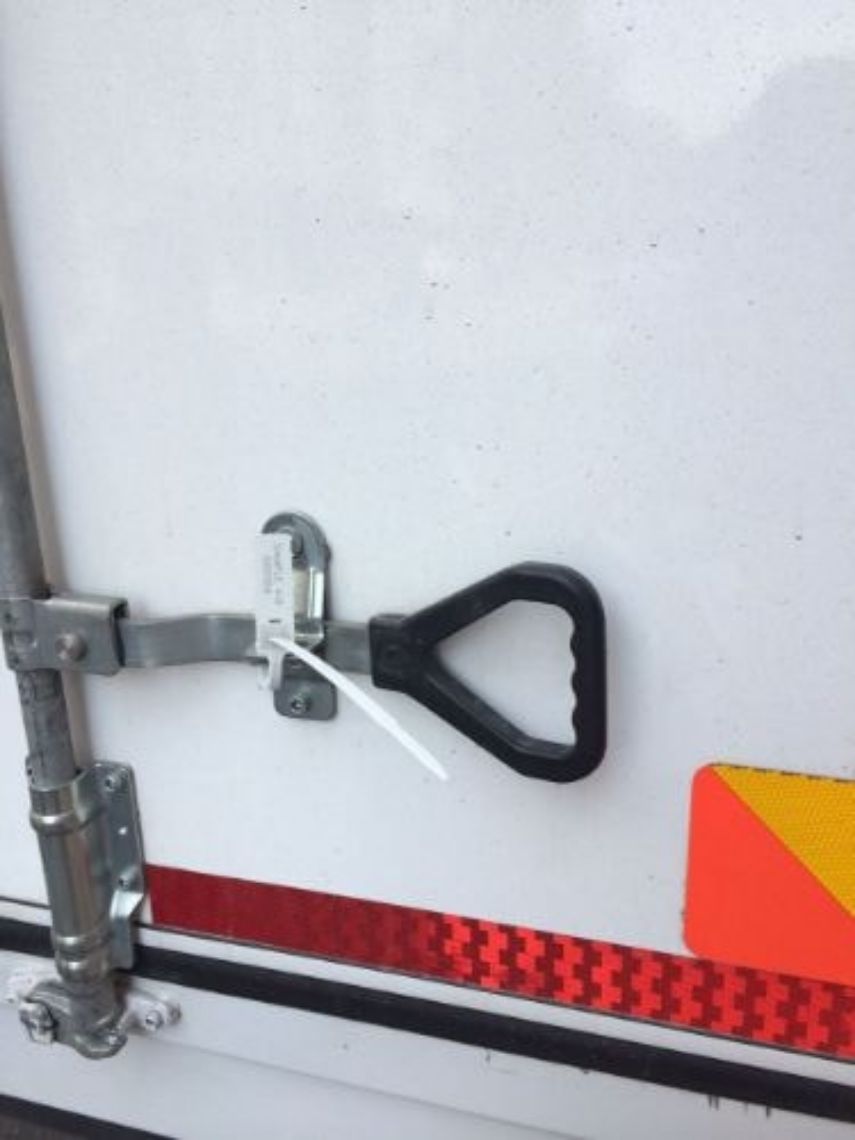
![]() | Indicative Pull-Tite SealsVans and other vehicles with roller-shutter doors feature hasp and staple-style locking arrangement. For these types of locks, we recommend use of a pull-tite or “pull-through” tamper-evident seal, which can be secured tightly around the mechanism, preventing interference by opportunists. Pull-through seals are available in many different sizes and configurations. We hold most items in our UK warehouse; alternatively, we can customise with your bespoke marking, logo and custom numbering. |
Articulated Lorry Trailer Doors |
|
![]() |
Fixed-Length / Ring SealsTrailer doors are available with a number of different locking mechanisms, and so the preferred security seal will depend on the mechanism in question - either pull-through or fixed-length seals are recommended. Fixed-length or "ring" seals, form a secured loop through a locking aperture. Ring seals do not “pull tight” around the locking arrangement, meaning that they can be freely rotated, checked and inspected for signs of tampering more easily. |
Curtain-Siders |
|
![]() | Fixed-Length Seals and TIR CordsCurtain sided trailers are best secured using a TIR cord to pass through each of the buckles along the trailer, looping around so that TIR fasteners can be secured at the back of the vehicle using a plastic indicative fixed-length seal. This ensures that the only way to access any side of the trailer is by way of breaking the seal, providing the audit trail required. |
Containers on Trailers |
|
![]() | High-Security Bolt Seals & Plastic Indicative Seals (empty loads only)Fully-loaded shipping containers which are being moved internationally require sealing by way of a security seal designated and tested as ‘high-security' according to ISO17712 and CT-PAT regulations. Our high-security bolt seal is one of the most well-established on the market and fully compliant. For empty loads, we recommend use of plastic indicative seals – providing peace of mind that empty containers have not been accessed against the knowledge of the legitimate user, reducing risk of foul play. |
Open Top Containers |
|
![]() | TIR Cords & Plastic or Cable SealsOpen Top containers allow bulky items to be loaded directly from above. They usually covered and secured using a tarpaulin. TIR cords should be used to pass through the tarpaulin cover eyelets and around container corner posts or lashing rings. The TIR fasteners can then be secured with a security seal – either an indicative plastic seal, or where the goods are being shipped internationally, a high-security bolt seal or cable seal. |
Oil, Gas & Bulk Liquid Tankers |
|
![]() | Flexible Cable SealsThe valuable and potentially hazardous contents of tankers are at risk of interference, theft and fraud, especially whilst in transit and away from the legitimate user. This makes it crucial that sensitive and valuable access points, such as valves, meters and hatches are strongly secured against tampering. Flexible, variable length and very strong cable security seals are ideal for ensuring such access points are secured against interference. |
|
|
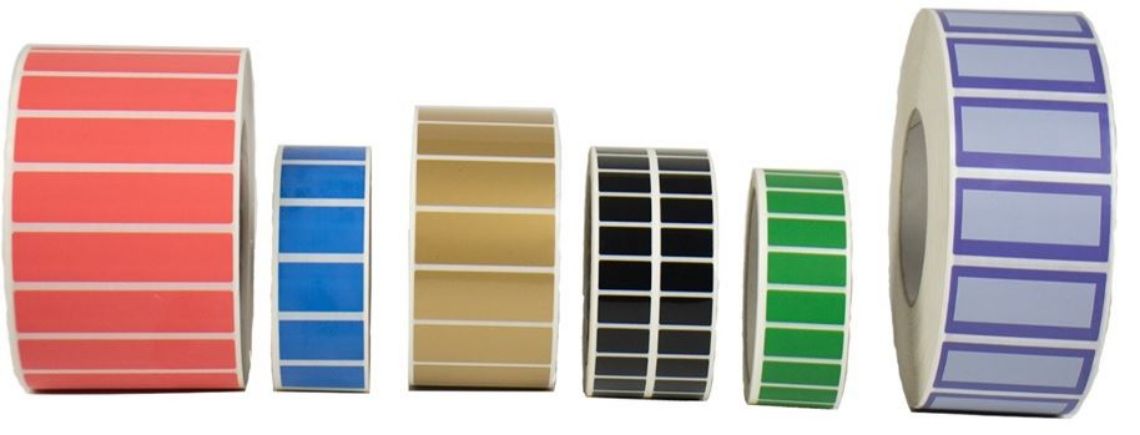
Customisation plays a critical role in improving cargo control, accountability and auditability across transport operations. We offer a bespoke print service, allowing security seals to be tailored to specific operational, regulatory and branding requirements.
Sequential numbering is one of the most effective traceability tools, enabling each seal to be uniquely identified and logged at dispatch and receipt points. This supports reconciliation processes, helps identify discrepancies quickly and strengthens chain-of-custody procedures.
Bar coding can be added to further enhance traceability, allowing seals to be scanned into digital tracking systems. This reduces manual handling errors, accelerates inspections and supports integration with warehouse management, transport management and customs systems.
Company logos and bespoke text can be printed directly onto seals to reinforce brand ownership, deter substitution and provide immediate visual confirmation that the seal is authorised.
These customisation options help improve security oversight, simplify auditing and increase efficiency throughout complex supply chains.
Selecting the correct security seal is essential to achieving the appropriate balance between protection, compliance and operational practicality. Indicative and tamper-evident seals are suitable where deterrence and evidence of interference are sufficient, while barrier and high-security seals are required for high-risk cargo, international movements and regulated environments.
The type of locking mechanism and access point is equally important. Different doors, hasps, valves and closure systems will determine whether a fixed length, pull-through, cable or bolt seal is most appropriate. A seal must fit correctly to function as intended and to ensure tampering is immediately visible.
Transport mode and regulatory requirements should also be assessed. Road, rail, air and sea freight may each impose different standards, with certain movements requiring ISO17712 compliant high-security seals or alignment with customs and security programmes such as C-TPAT.
Finally, consider how frequently access is required and how seals will be inspected. High-visibility seals with clear numbering support rapid visual checks, while seals used in controlled environments may prioritise strength or resistance over ease of removal.
Our technical team can provide expert guidance to ensure the correct seal is selected for each application, reducing risk while maintaining operational efficiency.
We support secure transport operations with our range of high quality security seals backed by industry expertise. Whether securing vans, trucks, trailers or shipping containers, the team works closely with customers to identify the most effective sealing solutions for their specific requirements.
Support is available for product selection, customisation options, regulatory compliance and large-scale supply programmes. From single vehicle operators to national and international fleets, we provide reliable solutions designed to protect cargo throughout transit.
To discuss your cargo sealing requirements, contact us today phone or email, or explore the full product range online to identify suitable security seals for your operation.
Security seals are used to deter theft and provide tamper evident proof if a vehicle, trailer door, valve or shipping containers have been opened during transport. They support secure transit by making interference visible and by improving control at handover points across the supply chain.
High security seals are used where barrier-level protection is required for cargo during transport. The most common type is the high security bolt seal, typically used on shipping containers and trailer doors and tested to ISO17712 standards. High security cable seals are also used where flexibility is needed, such as on trailers or tankers with irregular locking points. Both types provide tamper evident protection and support customs and security programmes such as C-TPAT.
For many international and high-risk movements, high security seals tested to ISO 17712 are commonly required or expected, particularly for shipping containers and customs-controlled freight. These seals may also support programmes such as C-TPAT, depending on the route and cargo type.
Trailer seals can include sequential numbering for traceability, and may also be supplied with bespoke print such as company name or logo. Options can include bar coding to support scanning and audit trails, helping operators track truck seals across depots, drivers and delivery locations.
Yes. Trailer seals are widely used to deter opportunistic theft and reduce tampering by showing clear evidence of interference. When used correctly, truck seals help maintain cargo security during transport and provide confidence that doors and access points remained closed throughout transit.