UN3373 Specimen Bags

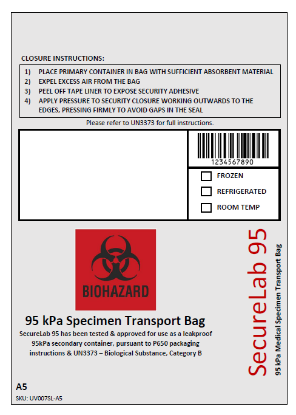
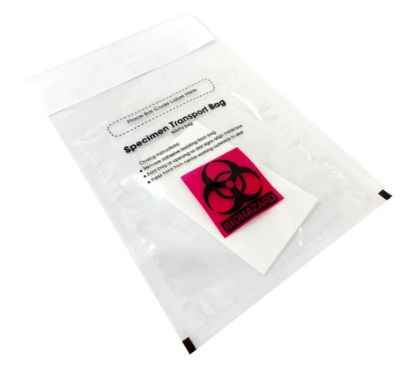
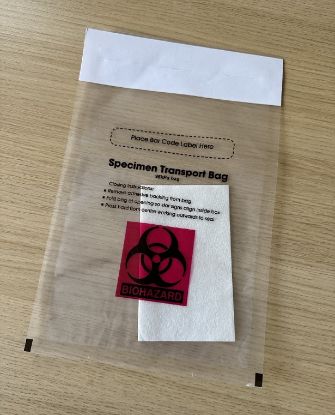
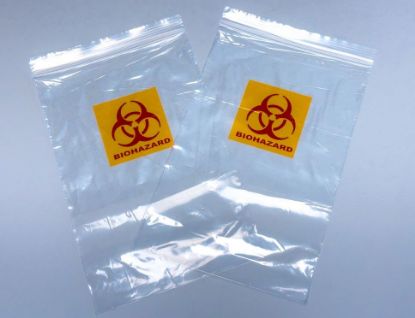
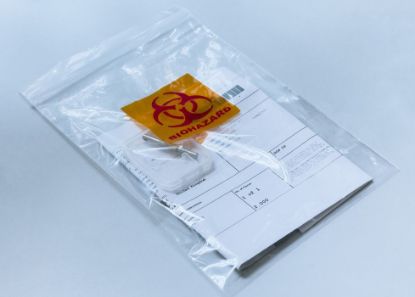
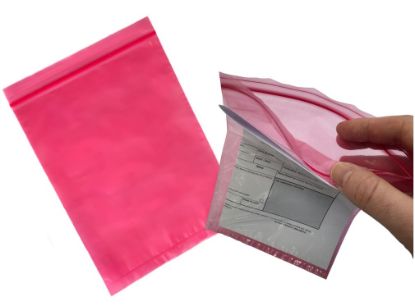
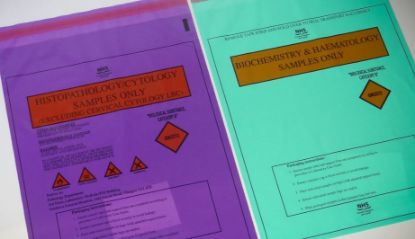
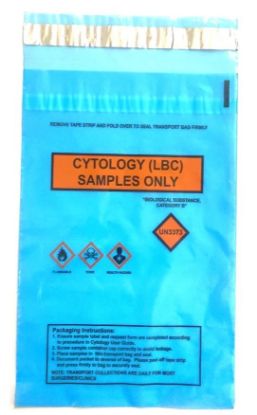
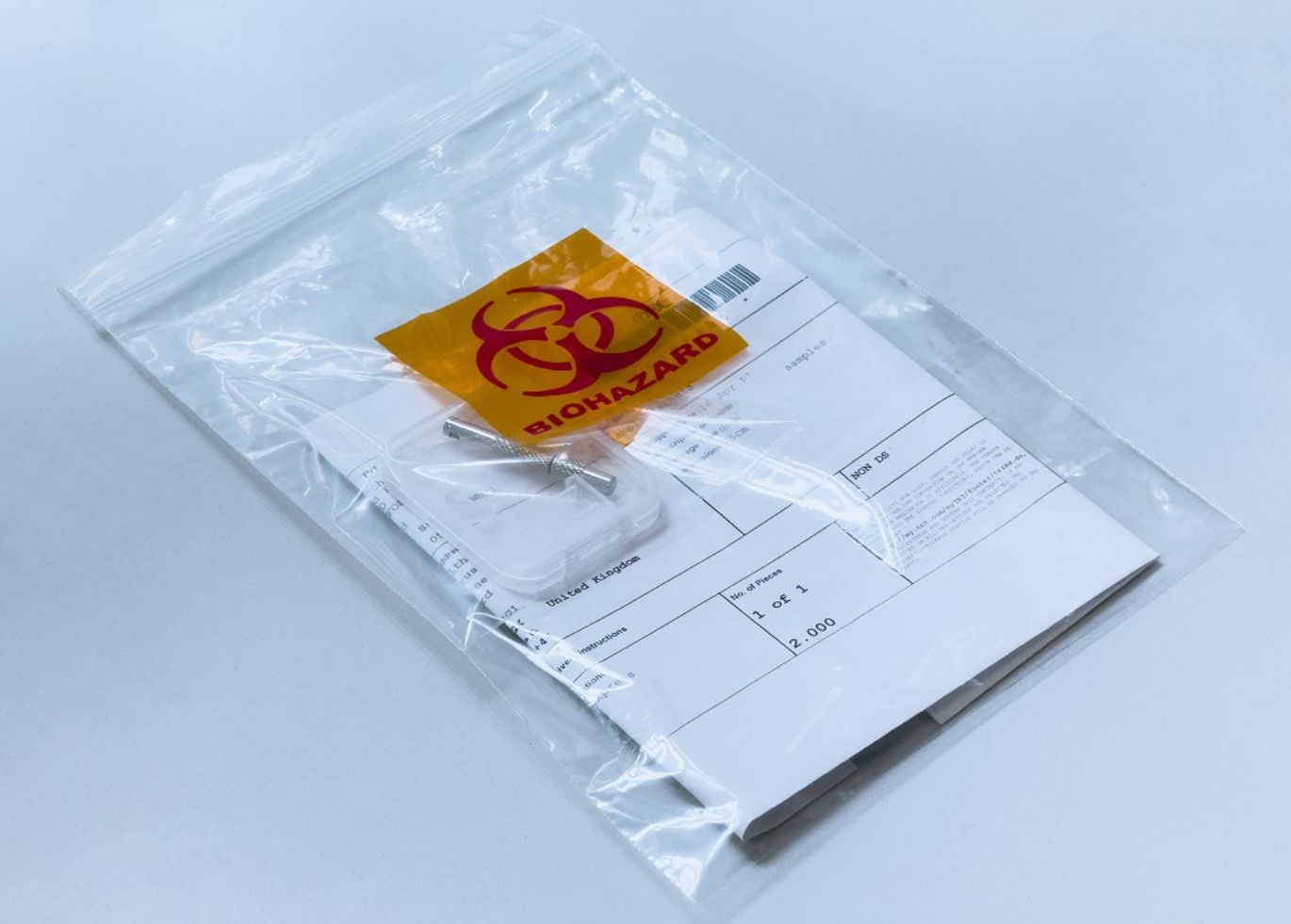
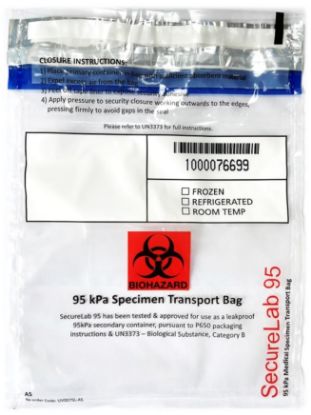
UN3373 specimen bags and P650 secondary packaging components are used for the safe transport of medical and laboratory samples classified as Biological Substance (Category B) and P650 / PI650 packaging instructions. Our SecureLab range of leakproof specimen bags provide a robust, leakproof and pressure-resistant secondary packaging solution, designed to hold primary receptacles containing blood, swab and other diagnostic samples. They are capable of withstanding an internal pressure of 95kPa without leakage. Alongside this dedicated 95kPa compliant range, we supply other secondary packaging components including urgent and biohazard warning bags, bespoke laboratory transport bags and associated absorbent pads for use within the UN3373 triple packaging system.
Picture for category UN3373 Specimen Bags
Display
per page

Need an insulated outer transport carrier?

Combine your 95kPa secondary packaging and absorbent materials with our robust, reusable insulated pathology specimen transport bags. Designed for secure, temperature-controlled transport between hospitals, laboratories and other healthcare locations.

View Insulated Medical Carriers
Frequently Asked Questions


What is UN3373 packaging?

UN3373 packaging is a specific type of packaging designed for the safe transport of biological substances, specifically Category B infectious substances. It ensures the integrity and safety of samples during transit, protecting handlers, the general public and the environment from potential exposure to dangerous goods.

How to send UN3373 consignments safely?

To ship UN3373 samples safely, ensure that the primary receptacles are placed securely within secondary packaging, and then placed within a rigid outer packaging. The packaging must be designed to withstand shocks, pressure changes, and temperature variations. Absorbent materials should be placed between the primary and secondary packaging to contain any potential leaks. Please refer to official guidance for full details.

What is the absorbent material referred to under UN3373 regulations?

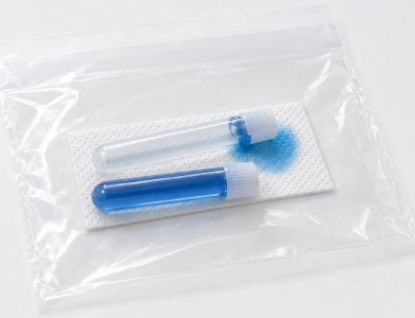
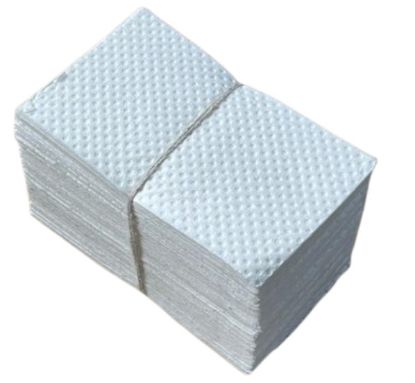
Absorbent material for UN3373 is used to absorb any potential leaks from the primary receptacles during transit. It is placed between the primary and secondary packaging to ensure that any liquid that escapes is contained, maintaining the integrity of the packaging and preventing contamination.

What are the key requirements of UN3373 regulations?

The key requirements of UN3373 regulations include using triple packaging and ensuring that the primary and secondary layers of the packaging are leakproof and capable of withstanding pressure changes. The primary receptacle or secondary packaging must be capable of withstanding an internal pressure of 95 kPa without leakage. The packaging should also be marked with the UN3373 label and meet the criteria for safe transport under the relevant regulations. Please refer to official guidance for full details.

How to achieve UN3373 compliance?

Achieving UN3373 compliance involves using the correct packaging materials and following relevant industry specific Packaging Instructions. The relevant Packaging Instructions are P650 for road (as provided under ADR provisions) and the PI650 for air transport (under IATA provisions). This includes using appropriate cushioning for fragile primary receptacles, secondary leakproof packaging, and a rigid outer container - such as our insulated medical carriers. It is crucial to ensure that the packaging can withstand the rigours of transport and is properly labelled with the UN3373 marking. UN3373 packaging must be clearly marked with the UN3373 diamond and the words 'Biological Substance, Category B.' Please refer to official guidance for full details.

What are the Packaging Instructions under UN3373?

Packaging instructions (specifically, P650 and PI650) are the the precise way in which biological substances should be transported under UN3373, Category B to ensure the material is appropriately protected, cushioned and labelled. These substances are part of Class 6.2, which covers infectious materials that do not meet the criteria for inclusion in Category A. Both P650 and PI650 share many common requirements, ensuring the safe transport of Biological Substances, Category B. However, it's essential to consult the latest versions of the respective regulations for comprehensive details and any updates.