Container Desiccants

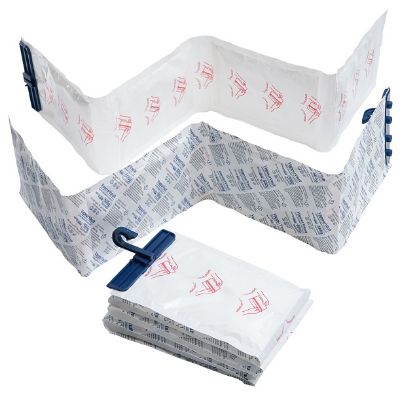
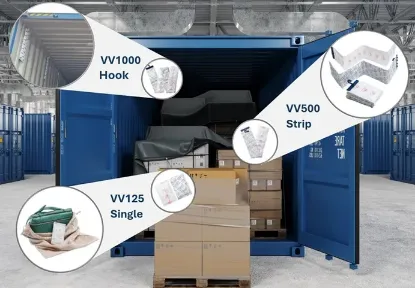
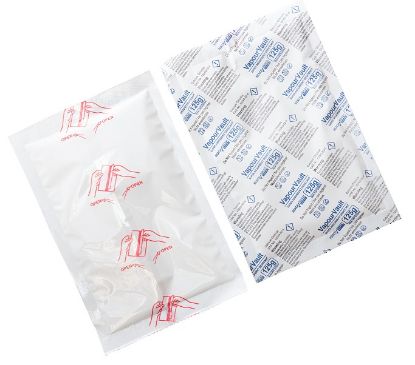
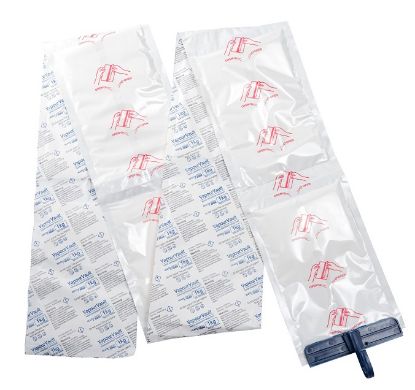
Container desiccants help protect goods from moisture damage during shipping, export and storage. Designed to reduce humidity inside shipping containers and other enclosed spaces, they help prevent condensation, container rain, mould, corrosion and packaging damage. Calcium chloride desiccants are particularly effective in absorbing moisture from ambient air, helping to keep cargo dry throughout transit. Suitable for export cargo, electronics, metal parts, textiles, pharmaceuticals and other moisture-sensitive products, our range includes container desiccants, strip desiccants and desiccant packs for enclosed loads. By reducing moisture-related damage, container desiccants help businesses avoid spoilage, complaints, delays and unnecessary cost across the supply chain.

Guide to Protecting Cargo from Humidity

Picture for category Container Desiccants

Why Use Container Desiccants?

Container desiccants are used to absorb excess moisture inside shipping containers and enclosed loads during transit and storage. They help protect products and packaging from damage caused by high humidity, temperature fluctuations and condensation. For exporters and logistics operators, they are a simple way to reduce moisture-related losses and improve cargo protection.


Prevent Container Rain, Condensation & Cargo Sweat

Changes in temperature during transport can cause moisture in the air to condense inside a container, leading to so-called container rain or cargo sweat. This moisture can drip onto cartons, packaging and products, increasing the risk of mould, corrosion, staining and transit damage. Container desiccants help reduce this risk by absorbing humidity before it causes problems.


Container Desiccants for Shipping, Export & Storage

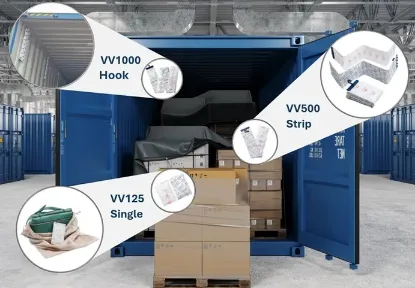
Container desiccants are commonly used for export cargo, sea freight, long-distance transport and storage of moisture-sensitive goods. They are suitable for protecting a wide range of products, including metal components, textiles, electronics, pharmaceuticals and packaged goods. Our range includes different desiccant formats to suit varying container sizes, loading patterns and transport conditions.
 

Frequently Asked Questions


What is a moisture-absorbing desiccant?

A moisture-absorbing desiccant is a substance used to absorb moisture from the air, helping to prevent damage caused by humidity. Desiccants are commonly used in shipping containers, packaging, and other environments where moisture control is crucial.

How do desiccants work?

Desiccants work by attracting and holding moisture through absorption or adsorption. Materials like silica gel and calcium chloride have a high absorption capacity, allowing them to effectively reduce relative humidity in enclosed spaces, protecting goods from moisture damage.

What is the difference between a desiccant and a moisture absorber?

While both desiccants and moisture absorbers serve to control humidity, a desiccant actively absorbs moisture from the air, whereas a moisture absorber might include broader solutions like dehumidifiers. Desiccants are often more suitable for confined spaces and packaging.

How long do desiccants last?

The lifespan of desiccants depends on the environment in which they are used. In tightly packed containers, they can last several weeks to months. It's essential to replace them once they reach their absorption capacity.

Can desiccants be reused?

Some desiccants, like silica gel, can be reused by drying them out in an oven. However, not all desiccants are reusable, such as calcium chloride, which dissolves as it absorbs moisture.

What is the best type of desiccant for shipping containers?

For shipping containers, calcium chloride based desiccants are popular due to their high absorption capacity. They are effective in controlling humidity and preventing container rain, ensuring cargo remains dry during transit.

How should desiccants be stored?

Desiccants should be stored in a cool, dry place, away from direct contact with moisture. Keeping them in airtight containers helps maintain their effectiveness until they are ready to be used.