Email us
Call us
01829 760000
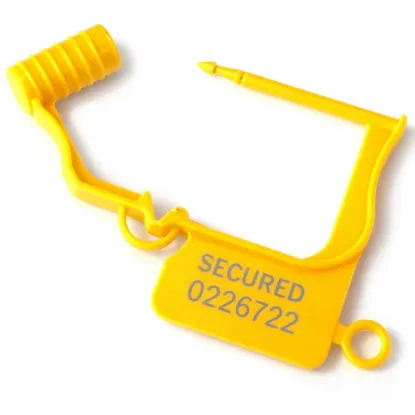
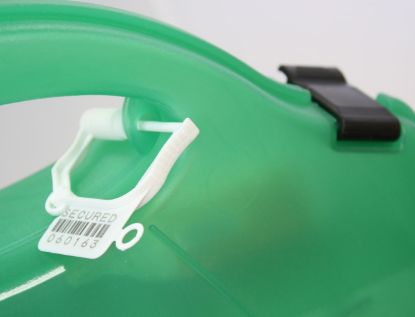
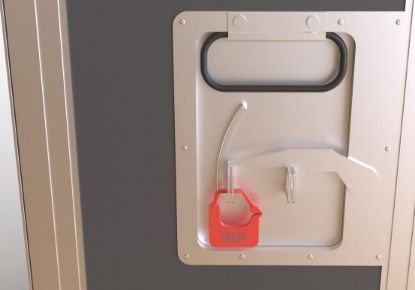
Padlock seals are compact tamper-evident security seals designed for smaller apertures, confined spaces and applications where a traditional padlock is not required. Our padlock seals are commonly used to secure key cabinets, lockers, airline trolleys, medical kits, first aid kits, utility meters, retail stock rooms and secure storage areas. Once closed, padlock seals must be broken or cut to be removed, providing clear visual evidence if access or tampering has occurred. This makes them a practical choice where businesses need simple security verification, identification, control and audit support. We supply a range of plastic padlock seals, security padlock seals and metal hasp padlock seals in different strengths, removal methods and colour options.
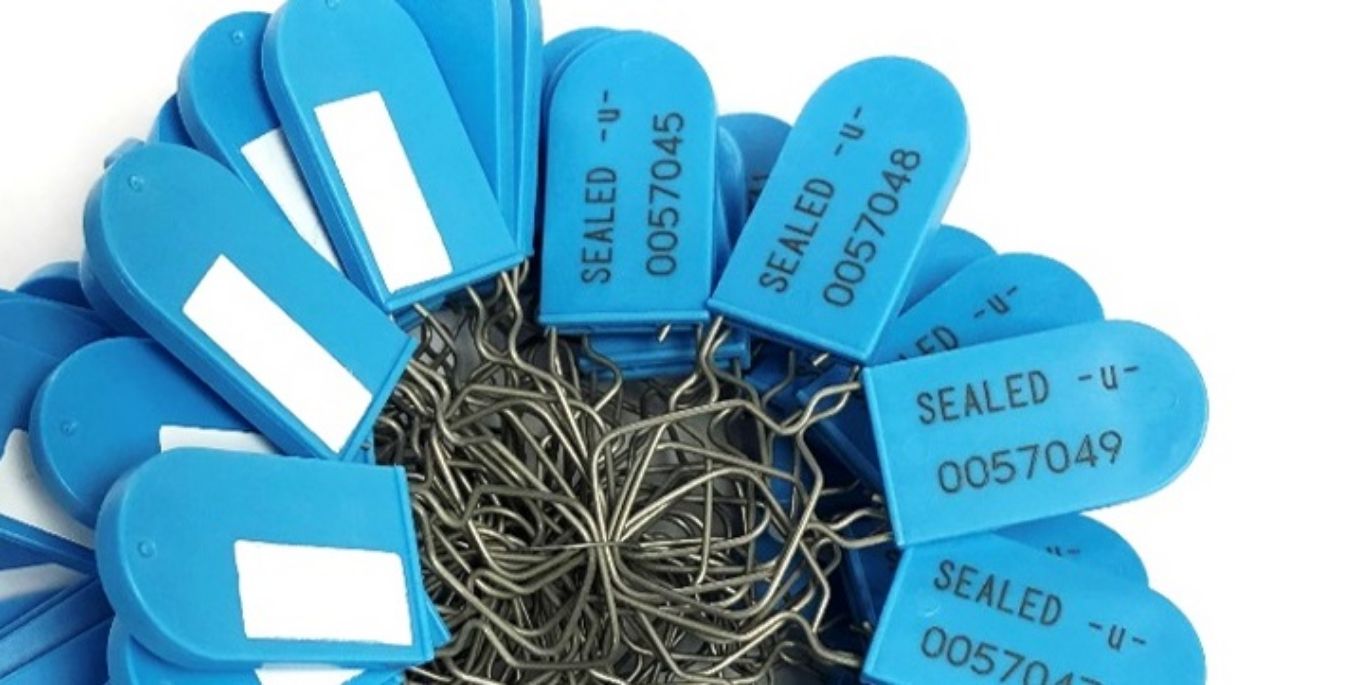
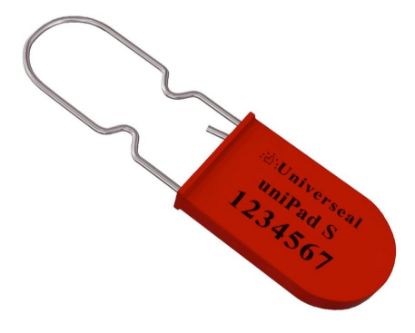
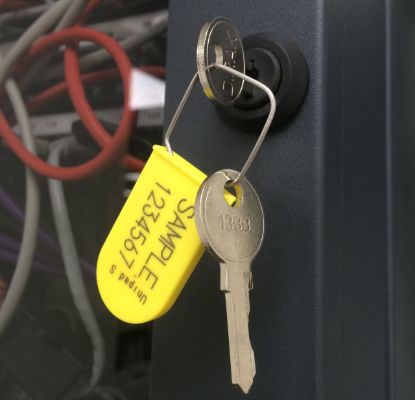
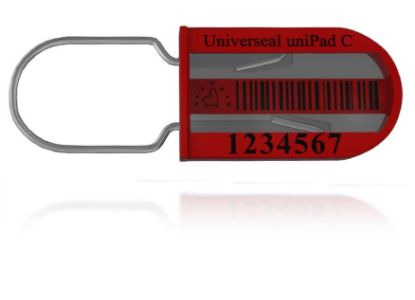
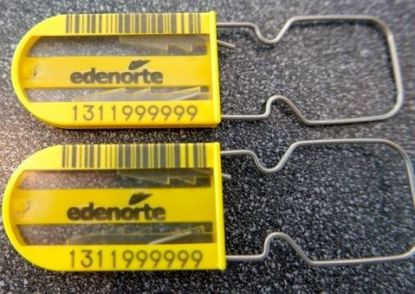
Padlock seals provide an effective way to secure smaller assets and enclosures, such as key cabinets, first aid kits and other assets where visual evidence of access is required. Unlike reusable padlocks, they are single-use seals that must be broken to open, making it easier to identify if access has occurred. Depending on the product, padlock seals may be removed by hand, broken at a designed weak point or cut with tools. For example, our lightweight padlock seals are designed for quick removal by hand, whereas metal hasp padlock seals are stronger, and particularly suited for secure key management, acting as secure anti-tamper key tags.
Padlock seals are suitable for a wide range of industries, including healthcare, aviation, retail, logistics, utilities, facilities management and secure storage. They can be supplied with standard or bespoke markings and are available in different colours, including blue, green, red, yellow and white, to support identification, stock control and internal security protocols.
Use the guide below to select the most suitable padlock seal for your application:
| Padlock Seal Model | Best For | Why Choose It |
|---|---|---|
| UniPad S Seals | Key control and asset tagging | Metal hasp with write-on panel for identification |
| Uniflex D Seals | General use, trays and small apertures | Easy-break design for quick application |
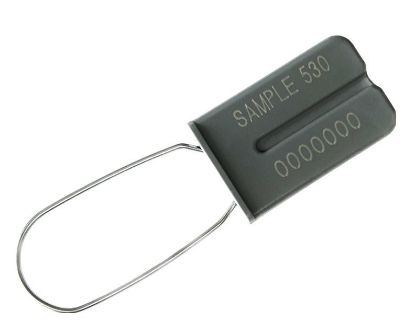
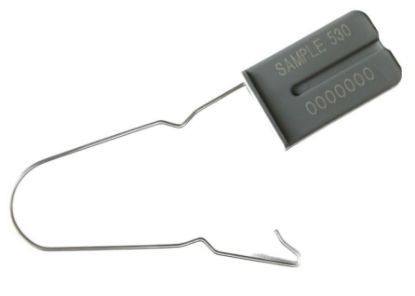
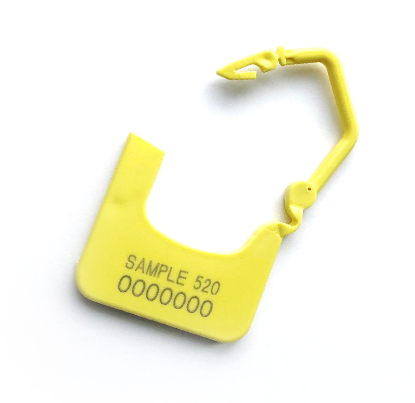
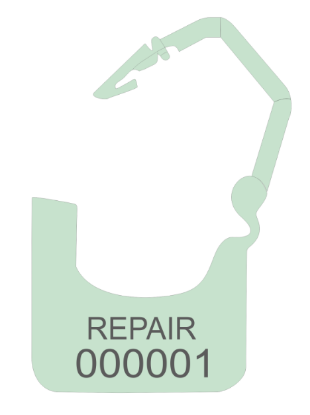
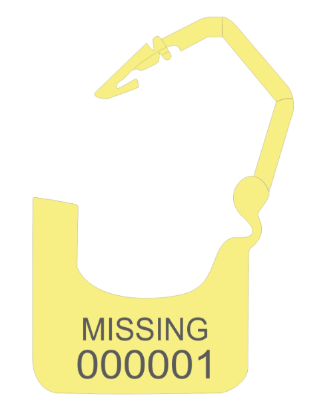
| UNI520 Seals | Cabinets, trolleys and airline carts | Secure one-piece seal with slim locking arm |
| UNI520 Surgical Locking Tags | Surgical trays and equipment status | Status tags for healthcare workflows |
| Customised Plastic / Metal Padlocks | Branding and audit control | Custom print, numbering and barcoding |