
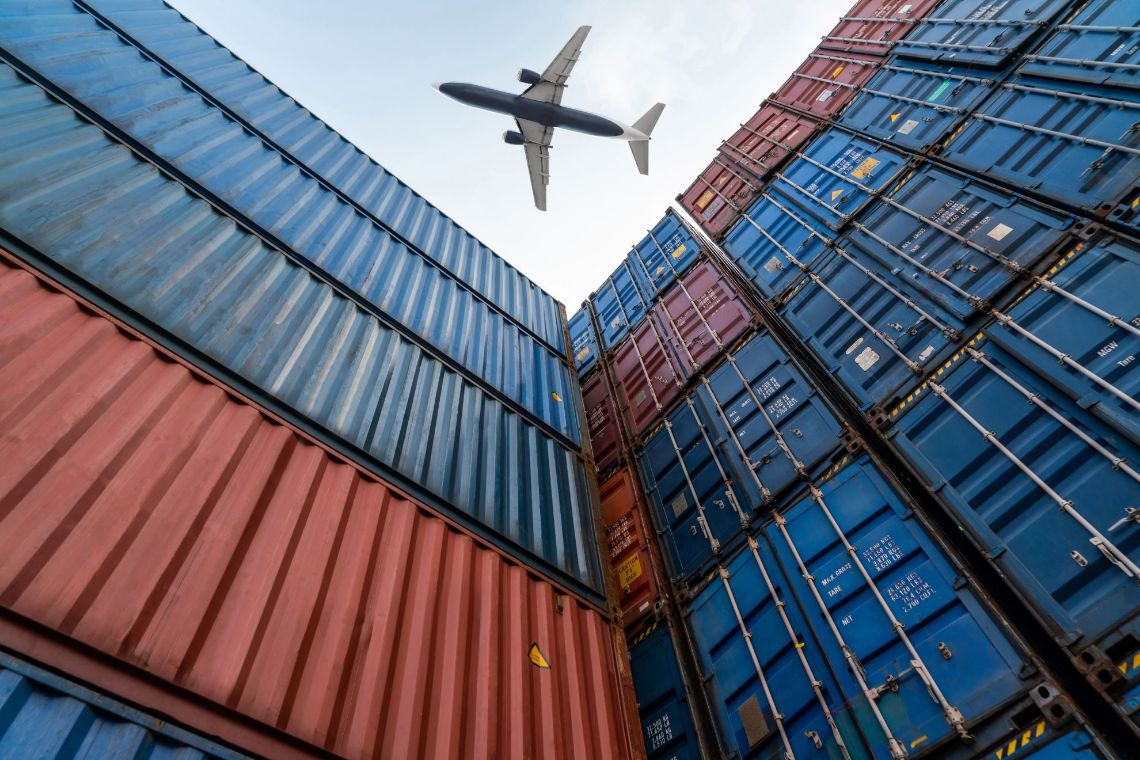
Air cargo moves through multiple hands before it reaches an aircraft, often across different sites, operators, and stages of transport. To manage risk and maintain security without unnecessary delay, aviation relies on agreed standards that define how cargo is prepared, handled, and protected throughout the supply chain. These standards are designed to balance security requirements with the practical realities of time-critical transportation.
In the UK, the Department for Transport sets the overall security framework for air cargo, and the Civil Aviation Authority (CAA) has responsibility for aviation security oversight and compliance in this area, including the Known Consignor (KC) Scheme. The scheme forms part of the UK’s secure supply chain approach to air cargo, whereby authorised and audited organisations can apply approved in-house measures for the secure preparation of consignments destined for air transport. This can reduce delays by allowing cargo to be treated as “known” (i.e., secure within the supply chain) when the required controls and documentation are in place.
Once cargo enters this secure supply chain, its security condition still needs to be communicated and maintained at each handover. That’s where security status codes come in. The SPX security status code is one such code, used in air cargo to indicate that a consignment is treated as secure for carriage (including secure for passenger, all-cargo and all-mail aircraft, where permitted). Related security statuses you may also see include SCO (secure for all-cargo/all-mail aircraft only) and SHR (secure under high-risk requirements). In practice, SPX may apply where cargo has been secured within an approved supply chain (for example, prepared by a Known Consignor and kept protected), and/or where it has been screened by an authorised cargo screening entity. The code helps signal that the consignment may avoid additional screening at cargo agent premises, provided protection and documentation remain intact.
Security statuses are typically recorded in cargo security documentation such as a Consignment Security Declaration (CSD). SPX is a security status code, not a physical type of goods, which is why understanding what SPX means in cargo is so important for businesses involved in air transportation, particularly where time, access, and responsibility sit with different parties along the route.
Key Takeaways
SPX is a security status code used to indicate that cargo is treated as secure within the air cargo supply chain (for example, because it originates from a Known Consignor and remains protected, and/or because it has been screened), allowing it to avoid additional screening at cargo agent premises, provided protection and documentation remain intact.
Security seals play a crucial role in maintaining the integrity of SPX cargo by providing tamper-evident protection and enabling accountability throughout transportation.
Becoming an approved Known Consignor involves rigorous audits and ongoing compliance to ensure cargo security from origin through handover and acceptance processes prior to loading.
Proper handling, documentation, and seal verification by regulated agents and airlines are essential to preserve the SPX status and ensure efficient, secure air cargo movement.
Known Consignor Status and Approval
An application for approval as a Known Consignor is typically followed by an on-site assessment/validation by an accredited validator. If approved, you’ll be assigned an approval reference/identifier that is used within cargo security documentation and handover processes. Further information is available from the specialist aviation regulator, the Civil Aviation Authority (please visit: www.caa.co.uk).
Becoming a known consignor is not a paper-only exercise. The application process involves a detailed review of how cargo is packed, where it is stored, who has access to it, and how security is maintained over time rather than just at the point of despatch.
Employees involved in handling air cargo must meet applicable requirements, which can include background check procedures, documented training, and clear rules around access to goods and secure areas. Once approval is issued, the known consignor status must be maintained through ongoing compliance, record keeping, and readiness for future visits or audits.
SPX Cargo Within the Supply Chain
SPX cargo exists within a wider supply chain that includes the known consignor, the regulated agent, transport providers, and ultimately the airline. Each handover introduces risk if controls are not clearly defined and followed.
A regulated agent is authorised to handle cargo on behalf of airlines and plays a key role in maintaining the required security controls during acceptance, handling, consolidation, and storage within the supply chain. This role is particularly important when cargo moves between locations before reaching the airport.
If security is broken at any point, whether through unauthorised access, missing documents, or damaged packaging, the SPX status can be lost. When that happens, cargo may need to be re-screened, delayed, or even rejected, which quickly becomes costly for the business involved.
The Importance of Security Seals for Known Cargo
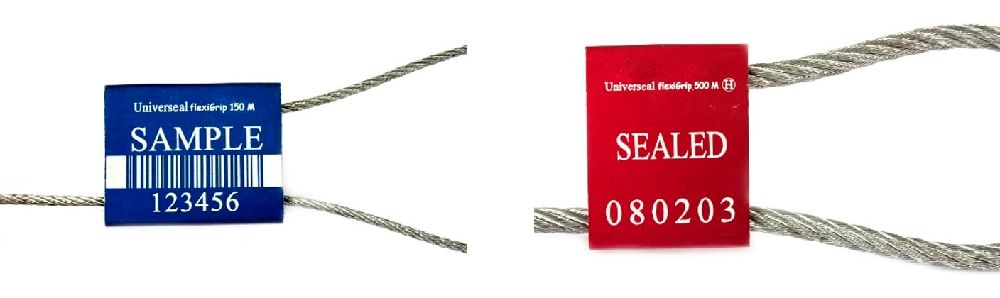
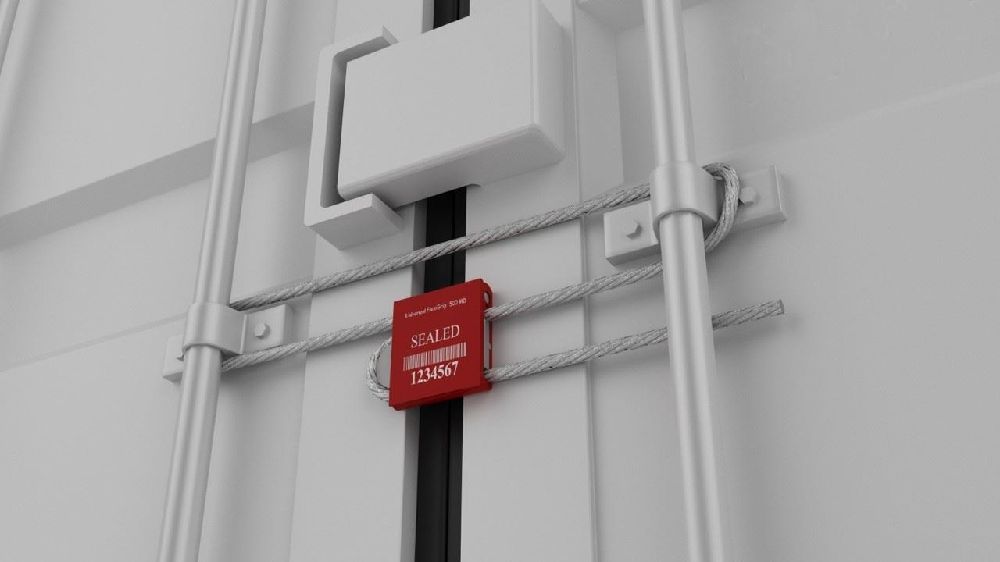
Security seals are an important part of this process, both for the shipper who processes and packs goods for cargo movements, and for logistic operators who handle consignments between locations. Indicative seals (such as non-residue security labels) and barrier seals (such as cable security seals) can provide tamper-evident protection and support traceability when uniquely numbered and recorded as part of the handover documentation.
Security seals act as a simple but highly effective control. They make interference visible, they create accountability, and they allow regulated agents and airlines to check the status of cargo without opening packages or boxes unnecessarily.
For known cargo and SPX cargo in particular, seals support the entire security process by helping to ensure that what was packed at source is exactly what arrives at the airport, in the same condition, with no unexplained access along the way.
A Practical Example in Air Cargo Transport
As an example of how such security seals can assist in practice, consider the role of a courier company transporting safety-critical aircraft parts between suppliers and airport cargo handling facilities. If the goods are sent from a known consignor, who is accredited under national regulations, then consignments can be loaded within vans at the supplier facility, and a security label placed over the side and rear doors to verify the authorised loading. This allows the consignment to be delivered to the airline/regulated agent cargo facility without re-screening, provided security is maintained.
On the other hand, if they are not a known consignor then the consignment may need to be presented to an authorised cargo screening/handling facility for X-ray screening or other approved methods, depending on the applicable requirements. The consignment can then be sealed in the van in the same way, and proceed to the airport.
This difference in process shows why SPX cargo status matters. When goods are loaded, sealed, and documented correctly at source, they can move through the system with fewer interruptions, which is especially important for time-sensitive air cargo.
For businesses moving aircraft parts, specialist equipment, or high-value goods, the ability to protect cargo while reducing handling time can make a measurable difference to both cost and reliability.
Seal Checks and Ongoing Compliance
Security seals may be checked during acceptance/handling by the regulated agent (and/or carrier) as part of protection checks to confirm they are intact and show no signs of tampering.
Seal checks form part of the accepted security process before cargo is loaded on board an aircraft. Airlines and regulated agents will check that seal numbers match documents, that seals are intact, and that there is no sign of interference.
If a seal fails these checks, the consignment may lose its SPX status, regardless of how carefully the earlier stages were managed. This is why maintaining accurate records and applying the correct seal in the correct way matters just as much as choosing the seal itself.
Security Seal Options for SPX Cargo
Our indicative plastic seals for trailers, cable security seals for air cargo containers, and security labels for vans can assist in the smooth operation of known cargo / SPX cargo operations. All of our security seal products are available on short lead times and with bespoke customisation for your needs (for example, customer logos, barcoding/numbering, and other security features).
Different transport methods place different demands on security seals. Vans, trailers, containers, and unit load devices each require a solution that fits the way cargo is loaded, accessed, and checked.
Customisation such as numbering, barcoding, or company branding helps support traceability across the supply chain while reinforcing responsibility at every stage of the process.
Supporting Secure and Efficient Air Cargo Movement
Security seals may appear to be a small detail, but within the SPX framework they play an important role in protecting cargo, maintaining compliance, and keeping goods moving safely through airports and regulated environments. Used correctly, they support both security and efficiency without adding unnecessary complexity.
Why Choose Universeal?
We understand that when handling known cargo and SPX cargo, security measures have to work in real transport conditions, not just on paper. Our security seals are designed to support day-to-day air cargo operations where goods are loaded, checked, and moved through multiple hands.
We supply seals for vans, trailers, and air cargo containers, with short lead times and custom options such as numbering or barcoding to support traceability and compliance across the supply chain.
Because we work closely with known consignors, regulated agents, and transport providers, we are able to advise on seal solutions that help protect cargo, maintain SPX status, and reduce disruption at the airport.
We also keep our approach straightforward. When you contact us, you deal with people who understand the requirements and can help you choose a suitable solution without overcomplicating the process.
Please contact us on 01829 760000 or email [email protected] to discuss your requirements today.
Summary
SPX cargo and known consignor status are built on consistency, accountability, and the ability to demonstrate that security has been maintained at every stage of the journey. From preparation at source through to loading at the airport, each part of the process depends on clear procedures, reliable controls, and practical measures that stand up to real-world transport conditions.
Security seals play a key role in supporting this framework. When they are correctly selected, applied, and checked, they help protect cargo, preserve SPX status, and reduce unnecessary disruption or delay. Combined with proper documentation and an understanding of responsibilities across the supply chain, they contribute to safer, more efficient air cargo movement.
By taking a considered approach to cargo security and working with experienced suppliers, businesses can meet regulatory requirements while keeping operations moving smoothly.
Frequently Asked Questions
What does SPX cargo mean in air freight?
The SPX cargo meaning refers to a security status used in aviation to show that cargo has already been secured earlier in the supply chain. Cargo carrying the SPX code has been prepared by a Known Consignor and kept protected, and/or screened by an authorised regulated agent. This allows cargo to move towards the aircraft without additional screening at the cargo handling facility, provided security has been maintained throughout transport, and the required documentation is in place.
What does SPX stand for in aviation cargo codes?
SPX is a standard security status code used in air cargo to indicate that security requirements have been met within the supply chain prior to carriage. It does not describe the type of goods being shipped, but instead indicates the security treatment applied to the consignment and the controls used to protect it during transportation and handling.
How does SPX cargo differ from other types of air cargo?
SPX cargo differs because it may be accepted as secure without further screening at the cargo agent's premises, provided security status can be verified, and protection has been maintained.
Why are security seals important for SPX cargo?
Security seals provide visible evidence that cargo has not been accessed or interfered with during transport. For SPX cargo, seals support compliance by allowing airlines and regulated agents to check security without opening packages, helping to protect status while keeping cargo moving efficiently.
Can SPX status be lost during transport?
Yes, SPX status can be lost if security controls fail at any point. Damaged seals, missing documents, unauthorised access, or breaks in the supply chain can all result in cargo being downgraded and re-screened, which often causes delays and additional costs for the company responsible.